According to Statistics Canada (2024), 4.4% of Canadian adults aged 18 and older report missing all of their natural teeth. Total tooth loss rises sharply with age, reaching 10.7% among adults aged 65–79 and 24.6% among seniors aged 80 and older.
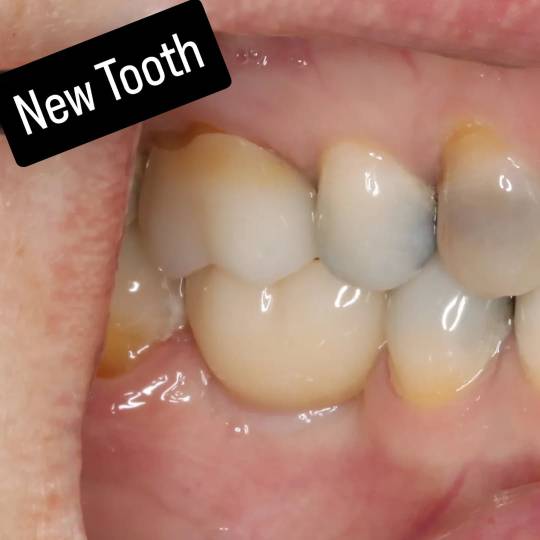
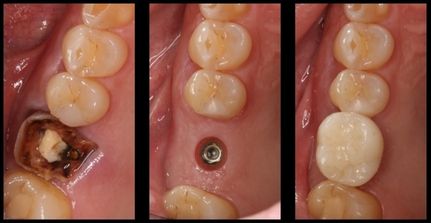
Public oral health data from Statistics Canada reveals that 26.4% of Canadians experience mouth problems, with 15.6% regularly avoiding certain foods and 21.6% suffering from persistent pain. Replacing missing teeth with stable implants restores complete dietary function and alleviates ongoing oral discomfort.
Surveillance figures published by the Centers for Disease Control and Prevention (CDC) show that 26% of adults aged 65 and older have 8 or fewer remaining teeth, and over 1 in 7 (15%) have lost all of their teeth, underscoring the vital need for multi-tooth and full-arch restorative options.
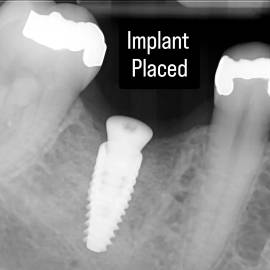
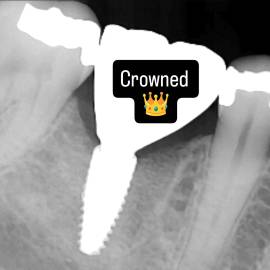
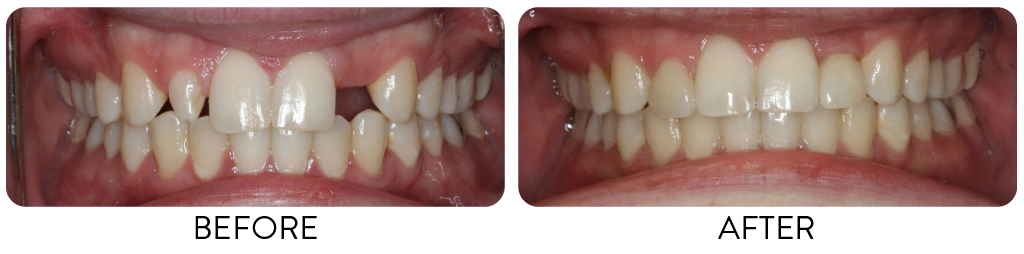
According to public patient guidance from the U.S. Food & Drug Administration (FDA), dental implants preserve natural jawbone density by preventing the bone shrinkage that naturally follows tooth loss, while stabilizing adjacent teeth and fully restoring chewing ability.
Global oral health reports from the World Health Organization (WHO) note that complete tooth loss affects nearly 7% of all adults aged 20+, climbing to an estimated 23% for individuals aged 60 and older. Securing replacements early prevents severe long-term functional and psychological limitations.
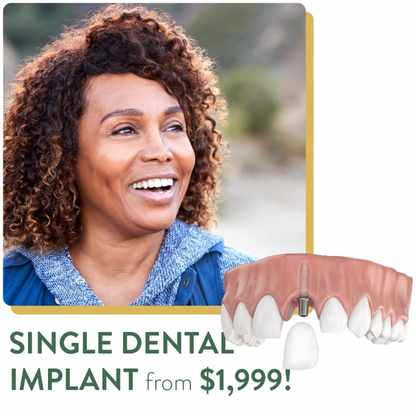
While base surgical placement starts at clear rates, overall costs depend on individual coverage. Most private dental benefits in Alberta follow the Alberta Dental Association (ADA) Fee Guide, which may cover portions of consultation CT scans or final crowns. For patients enrolled in the Canadian Dental Care Plan (CDCP), coverage policies vary for surgical implants versus alternative prosthetics, making direct billing pre-authorizations essential prior to treatment.
Patients across the Greater Edmonton Area can access treatment conveniently through two locations: Laurel Dental serves South Edmonton, Southeast Edmonton, and nearby Sherwood Park (17 Street NW), while Copperwood Dental serves West Edmonton, Windermere, Webber Greens, and Parkland County (199 St NW). Both clinics offer flexible weekday schedules to accommodate post-op follow-up visits locally.
Recovering from implant placement during Edmonton's winter months requires avoiding sudden temperature shifts. Breathing freezing air outdoors can trigger jaw stiffness or soft tissue sensitivity near incision sites. Dentists recommend wearing a warm face wrap or scarf when stepping outside post-surgery, staying hydrated in dry indoor heated air, and avoiding hard/frozen winter treats while the implant site heals.